 UAE Digital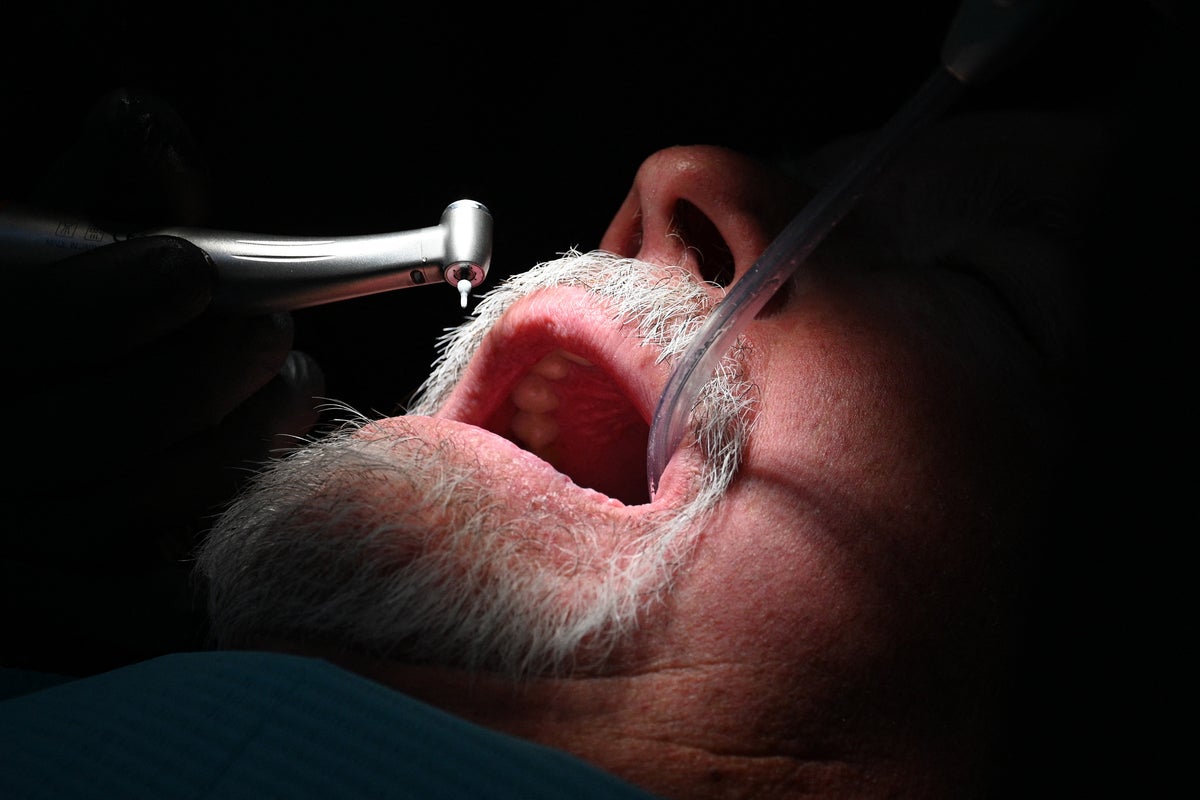
Severe gum bleeding and receding gums are linked to dementia risk rising by over 50 per cent in older adults, the results of a decade-long study of nearly 1,400 people in Japan suggest. Dementia burden is increasing sharply worldwide , with the number of cases increasing from about 20 million in 1990 to 44 million in 2016, and is expected to increase to over 152 million by 2050, due to population ageing in many parts of the world. A growing body of studies points to hidden oral health links to neurological diseases like dementia, but how they are connected remains a mystery.
There are many subtypes of dementia, of which Alzheimer's disease (AD) and vascular dementia (VaD) are the most common. In the new study, researchers probed the link between dental health and the onset of dementia and its subtypes in a general population of older adults in Japan over 10 years. They assessed the brain health of 1,396 participants aged over 60 years without dementia, and followed their status for 10 years.
Researchers found that over the years, 267 participants developed dementia, with Alzheimer’s disease diagnosed in 194 of them. A dentist performs dental work for an American patient at the Rubio Dental Group offices in Los Algodones, Mexico (AFP via Getty Images) Gum bleeding was found in the majority of those diagnosed with Alzheimer’s, researchers say. Those who experienced the most gum bleeding were 54 per cent likelier to develop dementia within the next ten years, scientists found.
They were also 61 per cent likelier to specifically develop Alzheimer's disease, according to the study. Participants who had the worst receding gums had a 59 per cent higher risk of dementia, researchers found. “These findings highlight the potential public health importance of preventing periodontitis to reduce the risk of dementia,” they wrote in The Journal of Clinical Periodontology .
Since the study is only observational, it doesn’t prove that poor gum health is causing dementia. The findings point to a potential role of poor dental health in dementia development, scientists say. “Periodontal care to improve and maintain periodontal health may help reduce the risk of dementia,” they wrote.
It is also likely that both gum disease and neurological conditions like dementia are triggered by a common root cause. Attendees participate in "Lincoln Center Moments", a first-of-its-kind performance-based program created specifically for people living with dementia and their caregivers at Lincoln Center, in New York (AFP via Getty Images) Chronic inflammation across the whole body could be triggering both dementia and poor oral health, scientists suspect. "Persistent systemic inflammation may impair the blood–brain barrier, allowing inflammatory mediators to penetrate the brain tissue and induce neuroinflammation and neuronal damage," the Japanese researchers say.
“One possible explanation is that infrequent toothbrushing promotes the accumulation of subgingival plaque and bacterial burden, which may contribute to systemic inflammation and increase dementia risk,” they say. Citing a limitation of the study, researchers said it involved residents of a single municipality in Japan. “Therefore, our findings have limited generalisability,” they said, adding that the results need to be confirmed in a larger study with more diverse participants.
“Further studies with a larger number of patients with vascular dementia are required to confirm these findings,” they wrote.
Source: The Independent