 UAE Digital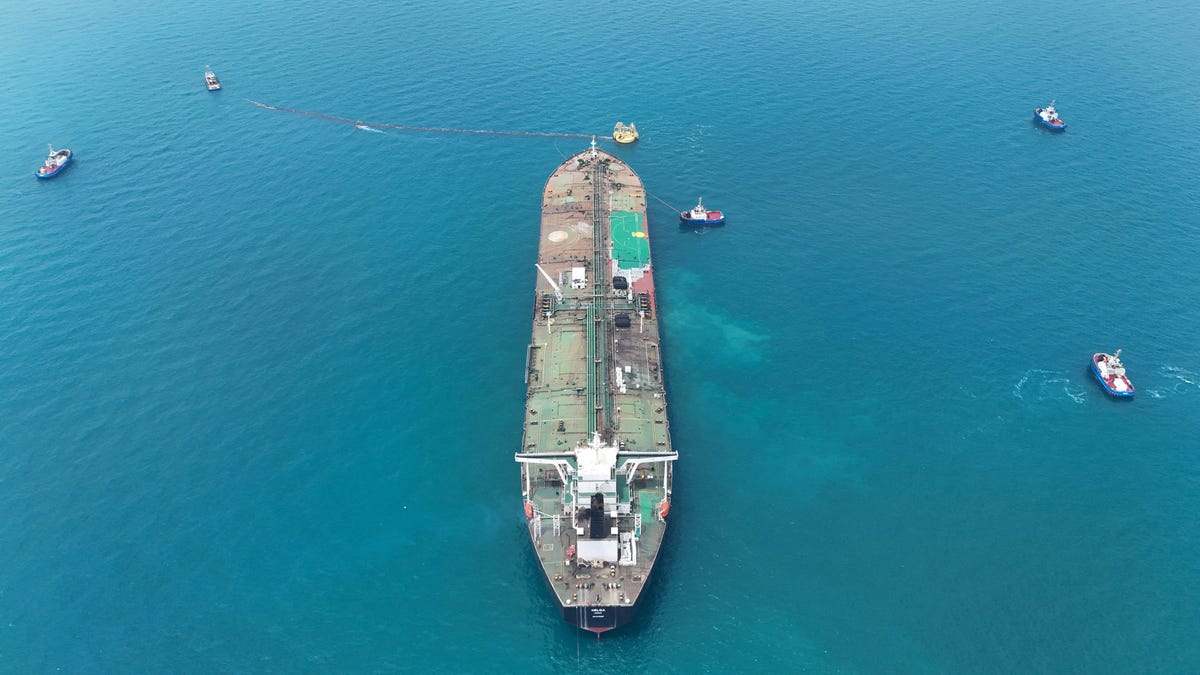
Tony Munroe and Anushree Mukherjee | Reuters SINGAPORE, Sept 9 - Benchmark Brent crude oil futures rose past $100 a barrel on Wednesday, hitting a more than six-week high and breaching the symbolic threshold for the first time since July 24 as intensifying conflict in the Middle East heightened concerns about oil flows from the region. Brent crude futures LCOc1 were up $2.01, or 2.05%, at $99.93 a barrel by 0802 GMT, after earlier touching $100.19. U.S.
West Texas Intermediate crude CLc1 was up $1.49, or 1.60%, at $94.52 a barrel. Brent crude prices have risen by a quarter since early last month as hopes fade for a permanent resolution to the six-month-old U.S.-Iran conflict. Since the Iran war began on February 28, Brent has surged as high as $126.41 a barrel, a peak reached on April 30.
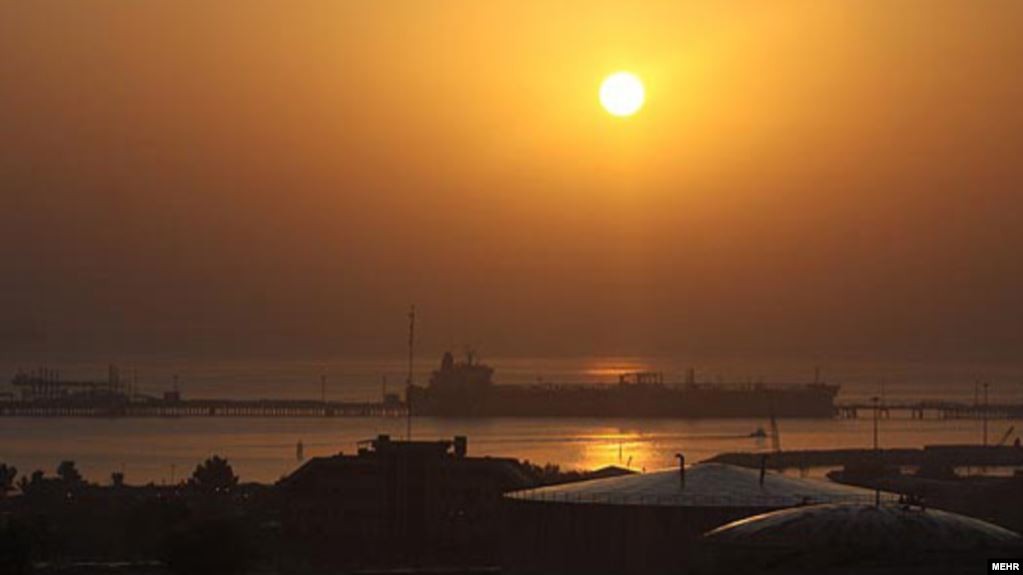
This week, attacks by Iran-backed Houthis on Saudi energy facilities set oil installations ablaze, threatening a significant expansion of the conflict. These attacks also threaten crude shipments via the Red Sea, a key alternative route to the crucial Strait of Hormuz, where oil flows have been severely curtailed since February 28. Supply risks mount as market participants price in a prolonged Middle East conflict and the risk of disrupted oil flows.
The key concern is whether recent attacks on oil tankers will reduce ship-to-ship transfers in the Gulf of Oman, which have historically provided oil to global markets. A growing number of banks, including Goldman Sachs, Bank of America, and HSBC, have raised their crude price forecasts. In the week before a resumption in fighting on August 30, roughly 8 million to 9 million barrels per day flowed through Hormuz, but this volume has since fallen below 2 million barrels per day.
Analysts argue that the rise in energy prices is structural and not temporary, describing it as a security premium that will likely increase further. While non-OPEC producers like the U.S., Canada, and Guyana have increased output, the International Energy Agency expects global oil supply to decline by 4.3 million barrels per day this year.
Source: USA Today