 UAE Digital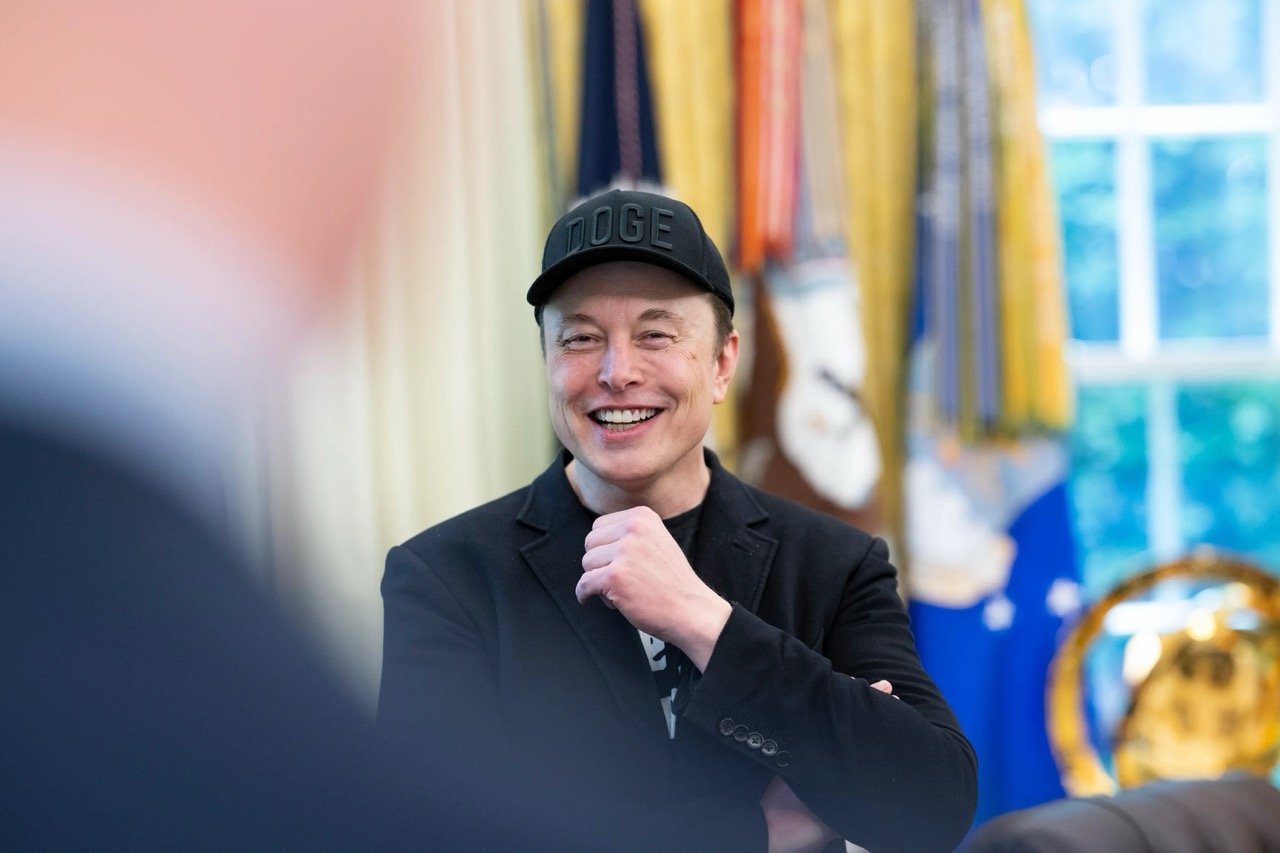
SpaceX ( SPCX -1.20% ) held its first earnings call as a publicly traded company on Aug. 4, and CEO Elon Musk used it to place the company's largest capital outlay, artificial intelligence (AI) computing, in the hands of a single supplier. Musk said, "going forward, we've decided to build exclusively on Nvidia because we think the Vera Rubin architecture is the best architecture. We think it's the best AI computer, and we greatly value our close cooperation and partnership on many levels with Nvidia.
So, we're exclusive to Nvidia." Nvidia ( NVDA +0.84% ) shares closed up 3.4% the next day. Advanced Micro Devices , the closest alternative supplier of graphics processing units (GPUs) for AI, closed down 7% after reporting its own quarterly results that same afternoon. Nvidia is also a shareholder, with about $21 billion in SpaceX shares at the end of June.
For SpaceX shareholders, the most interesting figure is the bill. What gets locked in by building it with a single supplier? Image source: The White House.
How much computing capacity does Musk promise? SpaceX's capital expenditures were $18.4 billion in the second quarter, and $15.8 billion of that was allocated to AI computing infrastructure. The AI figure was $7.7 billion in the first quarter and $749 million a year earlier.
In other words, the computing line item grew more than 20 times year over year and now absorbs 86 cents of every capital dollar. CFO Bret Johnsen told analysts to expect the next two quarters to be "very similar to the current quarter" in terms of capital expenditures, probably about $37 billion more this year. SpaceX ended June with 1.4 gigawatts of installed computing capacity, compared to 1 gigawatt in March and 0.4 gigawatts a year earlier.
Musk expects the company to end 2026 with more than 2 gigawatts. And by the end of 2027, he said, the total "may, let's say, be closer to 10 gigawatts of compute than 5 gigawatts of compute." Under its commitment, every gigawatt built from now on will use Nvidia hardware. SpaceX has not filed any contract The 10-Q SpaceX filed on the day of the conference does not mention Nvidia, nor has any subsequent filing.
What it does show is $28 billion in noncancelable purchase commitments at the end of June, of which $22.2 billion mature in 2027, described mostly as AI infrastructure, cloud capacity, and its spectrum purchase. During the conference, when asked how much confidence he had regarding the chips, Musk said, "our understanding with NVIDIA is that we will receive a very significant percent of their GPUs next year." Customer contracts, on the other hand, specify Nvidia chips, and I would argue they say more about SpaceX's tie to Nvidia than the commitment does. SpaceX's cloud service agreements with Anthropic cover about 325,000 Nvidia GPUs at $1.25 billion monthly through May 2029.
Its agreement with Google, of Alphabet , covers about 110,000 Nvidia GPUs at $920 million monthly from October 2026 through June 2029. Each can be terminated with 90 days' notice after an initial period. And if SpaceX does not deliver the committed GPUs by Sept. 30, Google could walk away after a one-month grace period or pay only for the GPUs delivered.
So SpaceX has sold Nvidia capacity it has not yet finished buying, with delivery dates. What SpaceX gives up without a second bid A buyer of this size gives up two things. The first is price.
Nvidia's gross margin was 75% in its quarter ended July 26: on average, three-quarters of what customers pay Nvidia is gross profit. Today's Change ( -1.20 %) $ -1.79 Current Price $ 147.95 The second is the timeline. Nvidia said in its quarterly report that it is "currently experiencing certain supply constraints," and Vera Rubin did not begin production shipments until the quarter that started on July 27.
SpaceX's 2-gigawatt and 10-gigawatt targets depend on how much a single supplier ships of a product with limited supply. Terafab, the chip plant that SpaceX is planning with partners, is its hedge against shortages, but the prospectus says there are still no definitive agreements. Of course, management's answer is that profitability arrives quickly.
Johnsen said current cloud economics provide SpaceX with "less than a one-year payback" on new capital allocated to computing, and the company signed contracts for another $6.7 billion in cloud service revenue during the first weeks of the third quarter. If that holds, paying more for the best computer could be the right decision. But the stock arguably already assumes it will hold.
SpaceX's market value sits near $1.9 trillion, with shares around $142 at the time of writing, more than 60 times the revenue a full year would produce at the second-quarter run rate. That price leaves no room for the bill to be larger or arrive later than planned, and SpaceX has committed to building it all on a single supplier's hardware.
Source: The Motley Fool